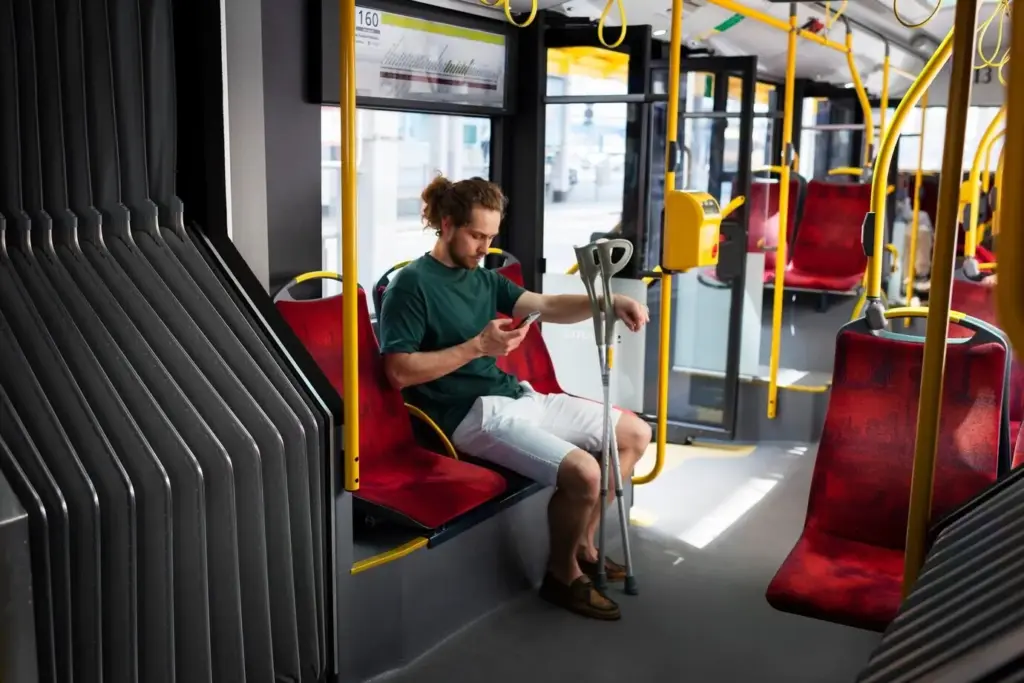
Steady Breaths for Calmer Commutes

Step onto buses, trains, and trams with a quieter mind and a more resilient body. Today we explore breathwork techniques to ease public transit anxiety, translating science into gentle, reliable steps you can use in crowded cars, long tunnels, or unexpected delays. With small, repeatable practices, your breath becomes a steady companion, soothing nerves, sharpening focus, and turning rushed mornings into manageable, even meaningful, moments.

How Breathing Shapes Every Ride

Public transit can compress space and time, crowding your senses and spiking the nervous system. Your breathing is the lever you carry everywhere, instantly available and discreet. Slower exhales activate parasympathetic pathways, while smooth nasal inhales stabilize carbon dioxide levels that influence calm. Understanding this loop helps you convert shaky anticipation into grounded presence, even when the car stalls between stations or the platform swells with hurried footsteps and announcements that would otherwise stir unease.

Foundations You Can Use Anywhere

Before techniques, build a base. Sit or stand with a soft belly, tall spine, and relaxed jaw to encourage diaphragmatic movement. Favor nasal breathing for warmer, filtered air and a steadier carbon dioxide balance that supports calm. Practice brief, reproducible rhythms that you can remember under pressure. The goal is effortless consistency, not perfection, so your cues remain usable during delays, crowded aisles, or fast transfers between platforms and buses.

Techniques for a Smoother Commute

Choose the right breathing pattern for the right moment, like selecting the best lane for traffic. Some approaches create gentle steadiness; others quickly downshift arousal when your stop is far away. Try them in calm moments first, then apply under mild stress, so by the time things get intense, your body recognizes each pattern like an old friend leading you through bustling stations and packed carriages with practiced grace.

Rescue Tools for Sudden Surges

Sometimes anxiety swells fast: doors stick, tunnels darken, or the car crowds unexpectedly. Rescue tools bridge those moments, buying space for choice. Aim for techniques that require minimal effort, draw little attention, and create quick relief without hyperventilation. Pair them with simple orientation cues—feel your feet, touch a zipper, notice three distinct sounds—so your nervous system receives converging signals of safety while breath leads the way back to steadiness.
Take a steady nasal inhale, then a second short sip to top off the lungs, followed by a long, unforced exhale through the mouth or nose. Research suggests this pattern can quickly reduce stress. It works well when you feel chest tightness, giving the lungs permission to empty and the mind a cue to soften. Use two or three cycles, then return to gentle nasal breathing. The key is ease, never forcing or straining the breath.
Lengthen your exhale to roughly double your inhale. Try three counts in, six out, adjusting to comfort. Sync with footsteps, car sway, or passing lights. The extended release lowers arousal and invites a calmer heart rhythm. If counting feels distracting, simply feel the exhale continue until the body naturally wants to breathe in. This is subtle enough for shoulder-to-shoulder crowds, delivering relief without broadcasting that you are doing anything special.

Design Your Commute Ritual

Rituals reduce decision fatigue and build confidence. Create a pre-ride check, a mid-ride anchor, and a post-ride reflection. Keep each step small enough to succeed on your most difficult days. Track progress with gentle metrics—fewer spikes, easier recoveries, or shorter durations of discomfort. Celebrate tiny wins, because repetition wires new responses. Over weeks, your breathwork becomes automatic, meeting rush hour with steadiness that feels earned rather than fragile or accidental.

Support, Stories, and Shared Practice

Breathwork grows stronger in community. Sharing the patterns that helped you during crowded transfers or stalled cars can encourage someone else facing their first anxious morning ride. Ask questions, request refinements, or suggest station-friendly cues you discovered. Consider subscribing for weekly practice prompts and live Q&A. Together we can normalize nervous systems learning new rhythms, reducing stigma and increasing kindness on platforms where a small, quiet breath may change an entire day.
Nezonunerofone
Privacy Overview

This website uses cookies so that we can provide you with the best user experience possible. Cookie information is stored in your browser and performs functions such as recognising you when you return to our website and helping our team to understand which sections of the website you find most interesting and useful.