Commute Calm: On-the-Go Yoga and Mindfulness
Welcome aboard a gentler way to move through your day with Commute Calm: On-the-Go Yoga and Mindfulness. We’ll help you turn stops, queues, and crowded moments into pockets of restoration through subtle stretches, grounding breaths, and compassionate awareness, so your journey becomes less stressful, more intentional, and refreshingly energizing, even when your schedule is packed and the train is packed too.

Seat-Friendly Spinal Waves
Use your breath to guide gentle flexion and extension while seated, layering small nods and micro-arches that hydrate spinal tissues without disturbing anyone nearby. Inhale to lift your sternum slightly; exhale to soften your ribs and lengthen the back of your neck. Repeat slowly, syncing movement with breath, and notice how even subtle undulations quiet tension gathered from long hours at a desk or behind the wheel.
Invisible Shoulder Reset
Release shoulder fatigue using nearly imperceptible scapular glides and isometric squeezes. Imagine sliding your shoulder blades into your back pockets, then gently widening across your collarbones, creating space around your neck. Follow with brief isometric holds: elbows tucked, forearms pressing inward, then outward, for stability and relief. These tiny resets keep your posture buoyant, your breath freer, and your bag-carrying muscles ready for the next transfer.
Ankles, Hips, and Wrists in Transit
While standing, lightly shift weight from heel to forefoot to awaken arches and ankles, then micro-bend your knees to soften hip tension. If seated, perform ankle circles under the seat and gentle wrist articulations, especially after phone scrolling. Coordinate movements with slow exhales, allowing fascia to release gradually. The consistent practice of these small patterns maintains circulation, supports balance during sudden stops, and leaves you feeling grounded when you finally step off.
Tiny Movements That Travel With You
Discover practical, discreet movements designed for buses, trains, rideshares, and sidewalks. These micro-mobilizations loosen stiff joints, calm a buzzing mind, and restore posture without drawing attention. Think small, targeted actions that accumulate into real relief, supporting your back, neck, hips, and shoulders while respecting shared space, tight time windows, and the unpredictable rhythm of everyday city movement.
Breathwork for Crowded Cars
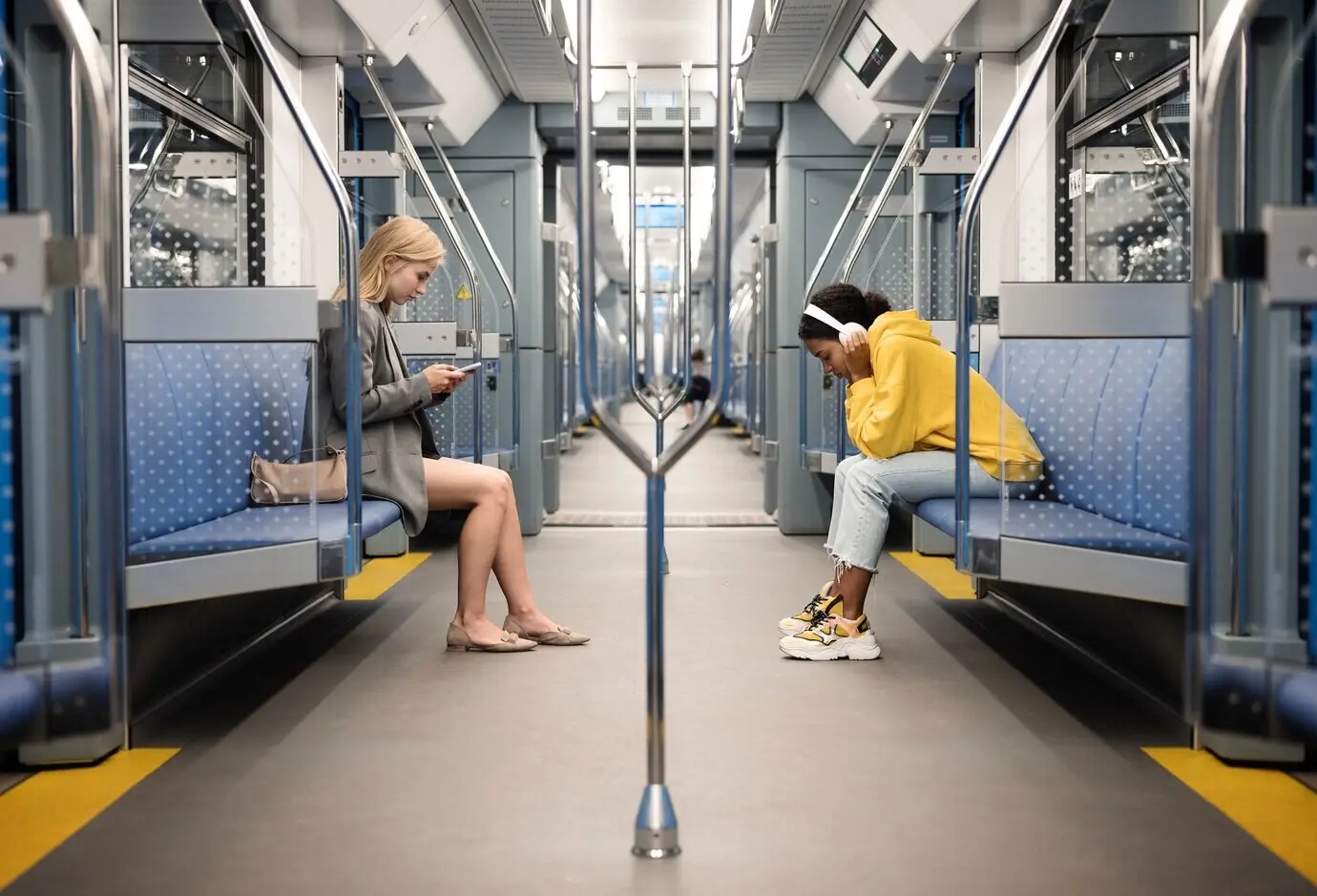
Breathing practices can soften anxious edges, steady your focus, and help you feel centered in noisy, cramped conditions. Favor simple, quiet techniques that blend into your surroundings. Lower your shoulders, close your mouth, and lengthen your exhales. Research suggests slower breathing patterns decrease sympathetic arousal, while nasal breathing enhances nitric oxide flow, supporting a calmer cardiovascular response and clearer mental state between stations and meetings.
Box Breathing Between Stops
Inhale for four, hold for four, exhale for four, hold for four, repeating gently across a few stops. This rhythmic square invites your nervous system to settle like waves finding the shore. Keep your jaw soft, tongue resting on the palate, shoulders unhooked from your ears. If trains jerk or announcements interrupt, simply resume where you left off. The consistent cadence gives your mind something soothing to follow, even amid bustle.
Extended Exhale to Settle Nerves
Lengthen your exhale one or two counts beyond your inhale to cue relaxation and safety. Try in for four, out for six, progressively moving toward eight as comfort grows. Imagine the exhale sweeping clutter from your chest, clearing room for steadier thoughts. When delays stack up or the car feels close, this small shift restores steadiness, lowers tension, and makes the next transfer feel more manageable and humane.
Nasal Breathing and Posture Alignment
Gently lift through the back of your skull, widen your collarbones, and breathe quietly through your nose, letting your belly soften. This alignment encourages diaphragmatic movement and helps your ribs glide. If standing, plant both feet evenly, unlocking knees to avoid bracing. Over time, this simple stack improves oxygen efficiency, reduces neck strain, and transforms a noisy commute into an opportunity to refine awareness and equilibrium without anyone noticing.
Mindful Rituals for Morning and Evening
Create truer bookends for your day by weaving mindful rituals into departure and return. Short, repeatable practices help your attention land gently, prevent stress from leaking into home life, and keep work challenges contained. Think intentions, sensory anchors, and compassionate self-talk. These predictable touchstones make you more resilient and transform travel time into a meaningful, restorative bridge instead of a draining gap.
Arrival Intention That Sets the Tone
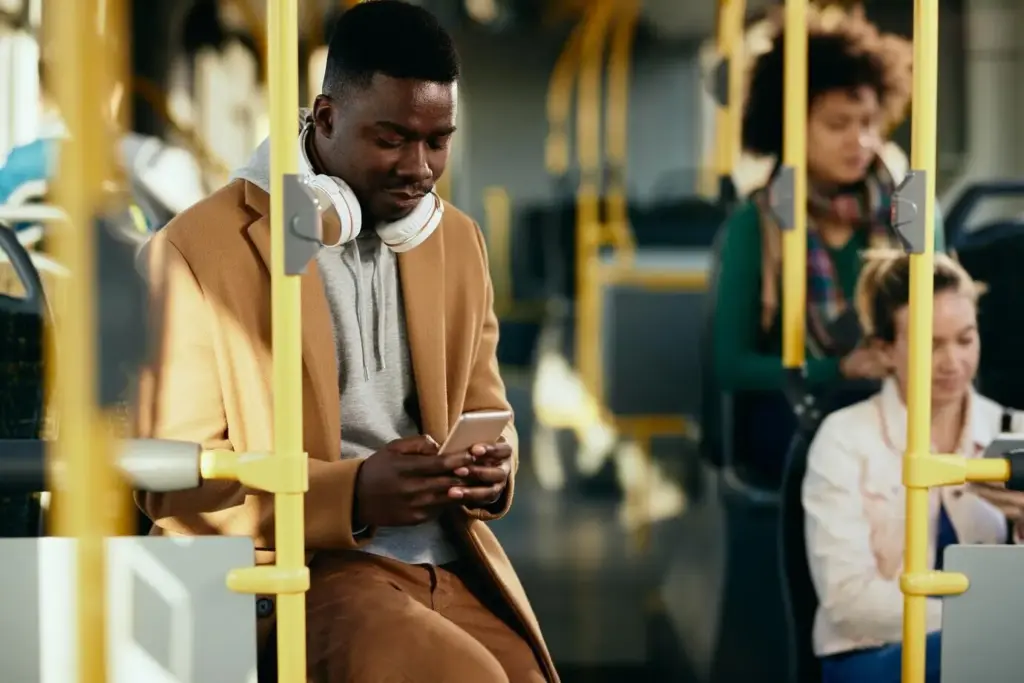
Before stepping onto the platform, choose a simple phrase that frames your presence, such as, “I move with kindness and clarity.” Repeat it while aligning posture and breathing gently. This intention directs attention away from rumination and toward purposeful curiosity. When unexpected detours appear, your chosen phrase becomes a quiet lighthouse, guiding how you respond, speak, and prioritize, keeping core values in front even when schedules slip.

Evening Decompression Body Scan
On the way home, scan from crown to toes, sensing temperature, pressure, and subtle fatigue patterns. Invite each region to soften on a long exhale, especially jaw, shoulders, and hip flexors. If worries about unfinished tasks arise, note them, then redirect to sensation. By the time you reach your door, your body has already started shifting into recovery, helping you greet loved ones or solitude with steadier, kinder presence.
Creative Props From Your Bag
Loop a scarf under the ball of your foot while seated, lightly extending your heel forward as you maintain a tall spine and soft jaw. Work within comfort, focusing on a steady exhale that meets mild sensation without forcing. Alternate sides to balance hips after long chair hours. This gentle approach opens the back line of the legs, eases low-back pull, and prepares you to step off feeling longer and lighter.
Slide a slim notebook or folded sweater behind your lower back to encourage neutral curves. With better stacking, your breath deepens and shoulders relax. If your seat is bucketed or overly soft, this improvised support prevents slumping and neck strain. Combine with periodic spinal waves and a calm gaze. Small ergonomic wins during transit compound into less end-of-day tightness and more capacity for evening activities or family time.
Hold a water bottle with relaxed yet intentional grip, feeling its temperature and weight while breathing slowly through your nose. This tactile anchor steadies attention during announcements, jostling crowds, or scrolling temptations. Occasionally roll the bottle under your calf or gently between palms to release tension discreetly. Connecting with a simple object trains your nervous system to find steadiness anywhere, especially when surroundings feel chaotic or rushed.


Social Ease and Respectful Presence
Mindfulness also means caring for the shared environment. Your quiet practices can harmonize with etiquette that respects space, noise levels, and accessibility needs. With a soft gaze and patient breath, you’ll navigate crowd flow more gracefully, respond kindly during delays, and influence the atmosphere around you, turning brief interactions into small acts of communal relief and good citizenship.
Stories, Tracking, and Community Momentum
Real change grows from small, consistent steps and shared encouragement. Celebrate tiny wins, track what truly helps, and invite others to experiment with you. Whether your commute is five blocks or fifty minutes, this living practice can shape your day’s edges with clarity, steadiness, and hope. Join in, share reflections, and help this movement ripple through trains, buses, streets, and stations.

All Rights Reserved.